
Liquid Base for Smoothies: A Complete Guide to the Best Liquid for Smoothies
The liquid base for smoothies sets the texture, calorie count, and overall flavor of every blend. This guide breaks down the most common options so you can pick the best smoothie liquid for your goals.
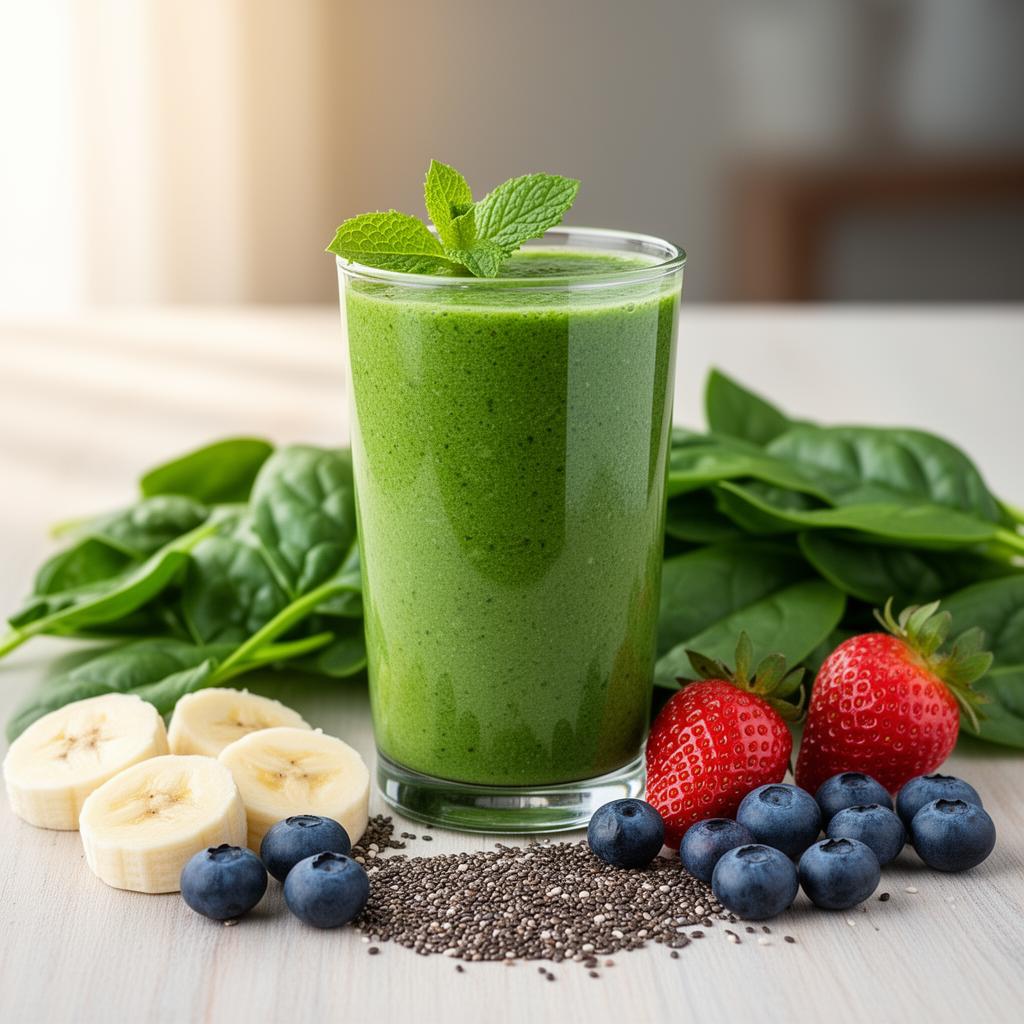
Why the Liquid Base for Smoothies Matters More Than You Think
The liquid is not just there to help the blender spin. It shapes how thick, creamy, sweet, or filling the final drink turns out.
Swap water for whole milk in the same recipe and you change the calories, protein, and mouthfeel completely. Picking the right base is one of the easiest ways to dial a smoothie in to your goal.
Quick takeaway: start with about one cup of liquid per two cups of solids, then adjust by small splashes.
How to Choose the Best Liquid for Smoothies
Before scanning the options below, get clear on what you want from the smoothie. Most people fall into one of three buckets.
Match the Liquid to Your Goal
- Lower calorie or weight focused: water, unsweetened almond milk, green tea, or coconut water.
- Higher protein and satiety: dairy milk, soy milk, kefir, or Greek yogurt thinned with water.
- Creamy and indulgent: oat milk, full fat coconut milk, or whole milk with frozen banana.
Watch the Added Sugar
Many flavored plant milks and bottled juices add cane sugar, agave, or fruit concentrate. Read the label and look for the word unsweetened when you want to keep the smoothie clean.
Think About Texture
Thinner liquids like water and tea need extra creaminess from banana, avocado, oats, or yogurt. Thicker liquids like oat milk or kefir often deliver a smooth texture with no extra help.
Using smoothies to support weight loss?
See how the 21 Day Smoothie Diet structures recipes, portions, and shopping lists.
The Best Liquid for Smoothies: Every Option With Pros and Cons
Here is a breakdown of the most common liquids people reach for. Use the pros and cons to match the base to the kind of smoothie you want to drink today.
Water: The Simplest Smoothie Liquid
Water is the most neutral and lowest calorie liquid base for smoothies. It lets the fruit and greens carry the flavor without competing.
Pros: zero calories, free, no added sugar, works with any recipe, easy on sensitive stomachs.
Cons: thin texture, no protein or healthy fats, can taste flat without a frozen ingredient like banana or mango.
Action step: blend with half ice and half water, plus a frozen banana, to mimic a creamier base.
Dairy Milk: A Classic Creamy Base
Cow milk brings natural protein, calcium, vitamin D, and a creamy texture that needs very little help. Whole milk feels rich, while skim keeps calories lower.
Pros: about 8 grams of protein per cup, naturally creamy, no added sugar in plain versions, widely available.
Cons: not suitable for lactose intolerant or vegan readers, can feel heavy in fruit only smoothies.
Unsweetened Almond Milk: Light and Low Calorie
Almond milk is one of the most popular smoothie liquid options because it is light, neutral, and low in calories. Unsweetened versions typically have around 30 to 40 calories per cup.
Pros: low calorie, dairy free, mild nutty flavor, easy to find.
Cons: very low in protein, sweetened versions can hide added sugar, not ideal for nut allergies.
Oat Milk: Naturally Creamy and Slightly Sweet
Oat milk has a thicker body than almond milk and a gentle natural sweetness from oats. It works well for chocolate, peanut butter, and coffee style smoothies.
Pros: creamy texture, dairy and nut free, plays well with cocoa or coffee, often fortified with calcium.
Cons: more calories and carbs than almond milk, some brands add oils or sweeteners.
Soy Milk: The Plant Based Protein Pick
Soy milk delivers protein levels close to dairy milk, usually 7 to 8 grams per cup. That makes it a strong choice for breakfast or post workout smoothies on a plant based diet.
Pros: high plant protein, creamy, often fortified, very filling.
Cons: distinct flavor that some people dislike, not suitable for soy allergies, sweetened versions add sugar.
Coconut Milk Beverage: Light Tropical Flavor
The carton style coconut milk beverage is much lighter than canned coconut milk. It pairs naturally with tropical fruit like pineapple, mango, and banana.
Pros: dairy and nut free, low calorie in unsweetened form, mild coconut flavor.
Cons: low protein, thinner texture, sweetened versions can be high in sugar.
Canned Coconut Milk: Rich and Indulgent
Full fat canned coconut milk turns a smoothie into something close to a dessert. A few tablespoons go a long way.
Pros: ultra creamy, satisfying, great for treat style smoothies.
Cons: high in calories and saturated fat, easy to overpour, can overpower delicate fruit.
Coconut Water: Hydration With Natural Sweetness
Coconut water is naturally rich in potassium and adds a hint of sweetness. It works well in tropical smoothies and post workout blends.
Pros: electrolytes, lower calorie than juice, light flavor.
Cons: contains natural sugar, can taste slightly salty to some, more expensive than water.
100 Percent Fruit Juice: Flavor Forward but Sugar Heavy
Orange juice, apple juice, and pineapple juice make smoothies taste vibrant. They also concentrate sugar and remove most of the fiber from the original fruit.
Pros: bold flavor, blends easily, adds vitamin C.
Cons: high in sugar, low in fiber, can spike blood sugar quickly.
Action step: mix half juice with half water to cut the sugar load while keeping the flavor.
Vegetable Juice: Low Sugar With a Savory Twist
Tomato or low sodium vegetable juice is an unusual but useful base for savory style smoothies. Think gazpacho in a glass.
Pros: low in sugar, hydrating, adds vitamins A and C.
Cons: strong flavor, can be high in sodium, will not pair with most fruit recipes.
Greek Yogurt Thinned With Water or Milk
Technically a hybrid base, plain Greek yogurt loosened with a splash of water or milk gives serious protein and the creamiest texture on this list.
Pros: very high protein, thick and filling, adds probiotics.
Cons: dairy based, flavored versions add sugar, can taste tangy.
Kefir: The Probiotic Smoothie Liquid
Kefir is a fermented milk drink with a tangy flavor and live cultures. It pours like thick milk so it makes an easy one to one swap.
Pros: probiotics, protein, naturally creamy.
Cons: tangy taste, dairy in most versions, flavored options often sweetened.
Brewed Tea: Antioxidants With Zero Sugar
Cooled green tea, matcha, or herbal tea can replace water for a smoothie with built in antioxidants. Hibiscus and chamomile pair surprisingly well with berries.
Pros: zero calorie, antioxidants, gentle caffeine in green tea, very low cost.
Cons: requires brewing ahead, mild flavor can fade behind strong fruit, caffeine may not suit everyone.
Cold Brew Coffee: The Wake Up Smoothie Base
Cold brew makes a great base for chocolate, banana, peanut butter, and oat smoothies. It acts like a meal and a coffee in one.
Pros: caffeine, zero sugar, deep flavor that pairs with cocoa and nut butters.
Cons: not for caffeine sensitive readers, limited recipe range, can taste bitter without banana or dates.
Aloe Vera Juice and Other Niche Liquids
Aloe juice, cucumber water, and chilled bone broth show up in specialty smoothies. They serve very specific goals like gut comfort, hydration, or savory protein.
Pros: targeted benefits, low sugar in most cases.
Cons: strong flavors, harder to find, easy to overdo.
Want a 21 day plan that handles the recipes for you?
The 21 Day Smoothie Diet includes weekly shopping lists, smoothie recipes, and a flexible day each week.
Quick Comparison: Which Smoothie Liquid Fits Which Goal
For Weight Loss Smoothies
Stick with water, unsweetened almond milk, unsweetened coconut milk beverage, or green tea. Pair them with fiber rich fruit, leafy greens, chia seeds, and a scoop of protein powder.
For Muscle Building and Post Workout Smoothies
Reach for dairy milk, soy milk, kefir, or Greek yogurt thinned with milk. These options add protein and carbs that support recovery.
For Kids and Picky Eaters
Oat milk and dairy milk are usually the easiest sells. The natural creaminess hides spinach, kale, and cauliflower very well.
For Tropical and Refreshing Smoothies
Coconut water and carton coconut milk beverage shine here. They pair naturally with pineapple, mango, banana, lime, and ginger.
For Dessert Style Smoothies
A small amount of canned coconut milk or whole milk with a frozen banana gives milkshake territory without ice cream. Add cocoa or peanut butter to lean further into dessert mode.
Simple Rules of Thumb for Mixing Your Smoothie Liquid
These quick guidelines keep your smoothies balanced no matter which base you pick.
Start Low, Add More
Pour about three quarters of a cup of liquid first, blend, then add more in splashes. This avoids the watery smoothie problem that is hard to fix once the blender is full.
Pair Thin Liquids With Creamy Solids
Water, tea, and coconut water need help in the texture department. Add frozen banana, avocado, oats, chia seeds, or Greek yogurt to thicken things up.
Pair Sweet Liquids With Unsweetened Add Ins
When the base is juice, coconut water, or sweetened plant milk, lean on unsweetened cocoa, plain yogurt, spinach, kale, and unsweetened protein powder. This balances total sugar without losing flavor.
Mix Two Liquids When You Want the Best of Both
Half water and half almond milk lowers calories while keeping a little creaminess. Half orange juice and half water cuts sugar while keeping flavor. Mixing bases is a small habit that pays off every blend.
If Your Real Goal Is Weight Loss, Structure Beats Guesswork
Picking a low calorie base is a smart first step. The bigger win is having a daily plan that handles recipes, portions, and the order you drink your smoothies in.
The 21 Day Smoothie Diet was built around that idea. It uses whole food smoothies, a weekly shopping list, and a flexible day so the routine fits a real schedule.
For more context, read our full review of the program on the SmoothieScope homepage.
Ready to take the next step?
Check out the 21 Day Smoothie Diet on the official site.
Frequently Asked Questions About Smoothie Liquids
+What is the best liquid base for smoothies?
There is no single best liquid for smoothies because the right choice depends on your goal. Water and unsweetened almond milk are popular for lower calorie smoothies, while dairy milk, soy milk, or Greek yogurt thinned with water add protein.
+How much liquid should I add to a smoothie?
A typical single serving smoothie uses about one cup of liquid for two cups of fruit, vegetables, and add ins. Start with three quarters of a cup, blend, and add more in small splashes until you reach the texture you want.
+Can I use water as a smoothie base?
Yes. Water is the lowest calorie option and lets the flavor of fruit and greens come through. Add a scoop of protein, nut butter, or Greek yogurt if you want the smoothie to feel more filling.
+Is milk or water better for smoothies?
Milk adds creaminess, protein, and calcium, which is helpful for breakfast or post workout smoothies. Water keeps calories and sugar low, which works well for green smoothies and weight loss plans.
+What is the best liquid for weight loss smoothies?
Water, unsweetened almond milk, unsweetened coconut milk beverage, and green tea are common picks for weight loss because they are low in calories and added sugar. Pair them with fiber and protein to stay full longer.
+Can I use coconut water in smoothies?
Yes. Coconut water adds natural sweetness, potassium, and a light tropical flavor that pairs well with pineapple, mango, and citrus. It does contain natural sugar, so factor that into your daily intake.
+Is orange juice a good smoothie base?
Orange juice can brighten flavors and blends easily, but it concentrates sugar without much fiber. If you use juice, try mixing half juice with half water to lower the sugar load.
+What liquid makes the creamiest smoothie?
Whole milk, oat milk, full fat coconut milk, and Greek yogurt thinned with a splash of water tend to produce the creamiest texture. Frozen banana or avocado in the blend also boosts creaminess.
+Can I use tea as a smoothie base?
Yes. Cooled green tea, matcha, or herbal tea can replace water and add antioxidants with very few calories. Brew it ahead of time and store it cold in the fridge for quick blending.
+What liquid should I avoid in smoothies?
Sweetened fruit drinks, sodas, and flavored coffee creamers add a lot of sugar with little nutrition. Sweetened plant milks and fruit cocktail style juices can also push the sugar count higher than expected.